
Guide
Vaginal pH and trying to conceive
Vaginal pH measures how acidic the vagina is. A healthy reading is usually between 3.8 and 4.5, kept low by lactobacilli, the vagina's protective bacteria. The Shettles theory proposes that pH may favour X- or Y-bearing sperm, but this has not been shown in human studies. Genesyx includes at-home pH strips so you see real readings, and never recommends douching or home remedies to change them.
What is vaginal pH?
pH is a scale from 0 to 14 that measures acidity. Below 7 is acidic, above 7 is alkaline, and each step is a tenfold change. A healthy vagina is naturally acidic, usually between 3.8 and 4.5.
That acidity comes mainly from lactobacilli, bacteria that produce lactic acid and help protect against infection. In a 2019 study that measured pH directly inside the vagina, women whose vaginal bacteria were mostly lactobacilli had an average pH of about 3.8.
What can change your reading
Vaginal pH moves around naturally, so a single reading tells you less than a pattern does.
| What | Effect on pH |
|---|---|
| Your period | Menstrual blood is less acidic, so readings often rise |
| Sex | Semen is alkaline, so readings can rise for a few hours afterwards |
| Douches, vaginal washes and perfumed soaps | Can disrupt healthy bacteria and raise pH |
| Antibiotics | Can reduce lactobacilli for a while |
| Infections such as bacterial vaginosis | Often raise pH above 4.5 |
For the most comparable readings, test at a similar time of day and avoid testing during your period or straight after sex.
Why pH matters in the Shettles theory
The Shettles theory proposes that a more acidic environment favours X-bearing sperm (girls) and a more alkaline one favours Y-bearing sperm (boys). Modern research has found negligible or no difference between X and Y sperm in how they respond to pH, and we are not aware of any good-quality human study showing that vaginal pH changes a baby’s sex. See our evidence page for the studies.
We include pH tests because many couples following the method want to know their readings, and because knowing what is normal for you is useful in its own right, not because pH has been shown to change the odds.
How Genesyx uses pH readings
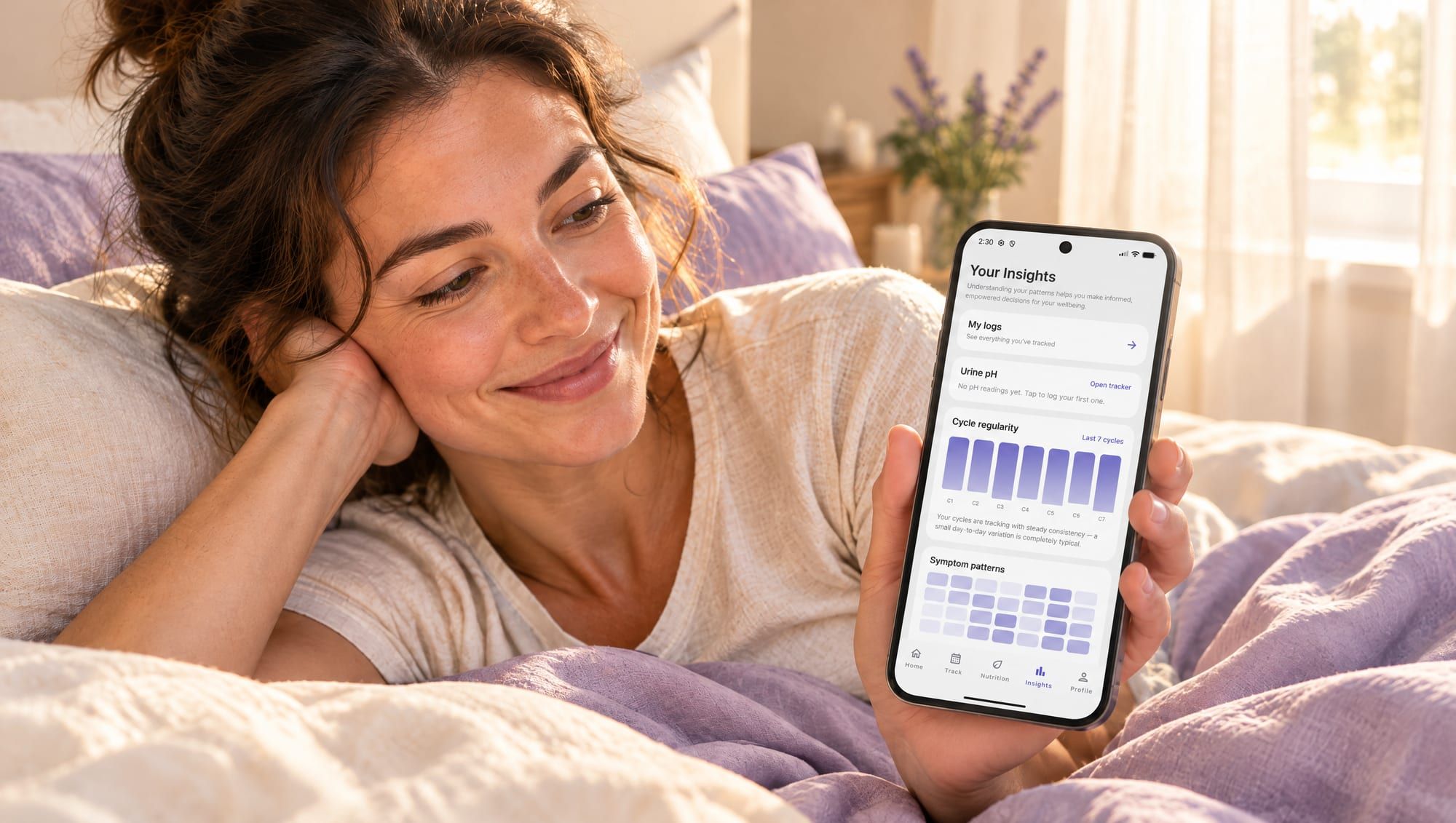
Your programme includes at-home vaginal pH test strips. You log each reading in the companion app, which shows your readings over time alongside your cycle, so you can see your own pattern rather than a one-off number. The app is for tracking and awareness only and never diagnoses a condition.
What we will never recommend
- Douching, which the NHS advises against
- Vinegar, baking soda or other home remedies, which the original Shettles book suggested
- Anything that could irritate or harm vaginal tissue
These can upset the balance of healthy bacteria and make infections such as bacterial vaginosis and thrush more likely.
When to speak to your GP or a pharmacist
- Your readings are regularly above 4.5
- You notice unusual discharge, a strong fishy smell, itching, soreness or pain
- You are pregnant and have any of these symptoms
A raised reading on its own is not a diagnosis, but together with symptoms it can point to a common, treatable infection.
References
- O’Hanlon DE, Cone RA, Moench TR. Vaginal pH measured in vivo: lactobacilli determine pH and lactic acid concentration. BMC Microbiol. 2019;19:13. doi:10.1186/s12866-019-1388-8
- Rahman MS, Pang MG. New biological insights on X and Y chromosome-bearing spermatozoa. Front Cell Dev Biol. 2019;7:388. doi:10.3389/fcell.2019.00388
- NHS. Bacterial vaginosis.
Evidence for the Shettles theory is mixed. Genesyx helps you follow the theory consistently; no outcome is guaranteed. This page is general information, not medical advice.